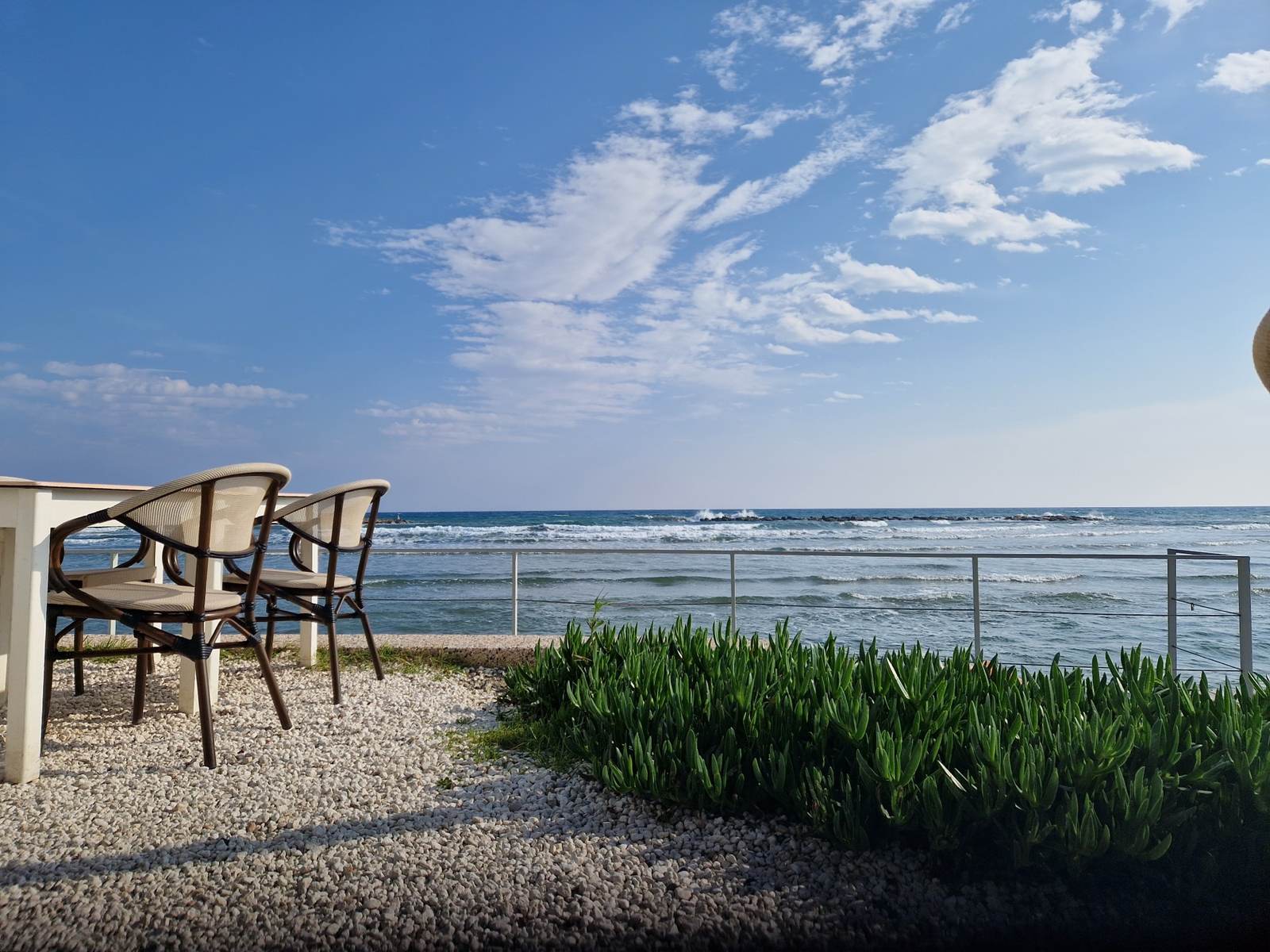
Larnaca runs on fish. The boats still go out at night, the marina still smells of salt and diesel in the morning, and the best meals in the area are almost always the simplest. A whole fish off the grill, lemon, olive oil, a carafe of village wine, and a table close enough to the sea to feel the breeze. In Greek the place you eat that meal has its own word: a psarotaverna, a fish tavern. It is worth knowing what the word promises, because not everywhere that uses it lives up to it.
What a fish tavern actually is
A fish tavern is not a seafood restaurant with white tablecloths and a long wine list. It is usually family run, often for decades, and it does one thing seriously: fresh fish, cooked without fuss, served generously. The menu bends to the catch rather than the other way round. You will find fried small fish, grilled octopus and calamari, prawns, a spread of dips and salads to start, and then whole fish weighed and grilled to order. The cooking is deliberately plain because the fish is the point, and good fish needs very little done to it.
The rhythm is part of it too. Nobody hurries you. Plates arrive when they are ready, the carafe gets topped up, and a lunch can quietly turn into an afternoon. That unhurried, slightly chaotic generosity is the whole character of the thing, and it is why locals still choose a tavern over somewhere smarter for a family Sunday.
How to tell a good one from a tourist trap
The single best test costs nothing. Ask what came in that morning. A proper fish tavern buys from the day boats, so it will tell you exactly what it has, and some of it will be gone by evening. Running out is a good sign, not a bad one. A place that can serve you every fish on the menu every night of the year is working from a freezer, and while there is no shame in a freezer, it is not what you drove to the coast for.
A few more signs worth trusting. Whole fresh fish priced per kilo, which is normal everywhere in Cyprus and a mark of the real thing, since wild fish do not come in tidy portions. A table or two of locals rather than only visitors. A spot genuinely on the water rather than a photo of the sea on the wall. And a short, confident answer when you ask where the fish is from. A good tavern enjoys that question. A weak one changes the subject.
Where the fish taverns are
They follow the coastline. In town, the Mackenzie strip and the area around the small harbour have long been the classic hunting ground, busy and lively and right by the sand. Head east and the coast quietens toward Oroklini, roughly ten minutes from Larnaca, where the seafront taverns sit closest to the water and the evening light is softer because the bay faces east rather than into the sun.
Each stretch has its own feel. The town spots are handy if you are staying near Finikoudes and want a stroll after dinner. The Oroklini seafront is the one to choose when you want the sea at your feet and a slower pace, which is the version of a fish tavern most people picture when they imagine one.
What to order, and how it works
If you cannot decide, order a fish meze and let the kitchen lead. It arrives in waves: the salty little things and dips first, then the fried and grilled seafood, then whatever whole fish came in that day. Expect two hours at the table and come hungry. If you would rather keep it simple, pick one whole fish between two, ask its weight before it is cooked so there are no surprises on the bill, and add a village salad and some grilled octopus. Sea bream and sea bass are the safe, reliable choices year round. Red mullet, small and sweet, is the local favourite when it is in season.
Whole fish over fillet, always, if you can manage the bones, because the bones and skin are where the flavour lives. Any decent tavern will fillet it at the table if you ask. And leave room for nothing else, because you will not need it.
Our corner of the tradition
We have kept a fish tavern on the Oroklini seafront since 2004, so this is the world we live in every day rather than one we are describing from the outside. Mer Bleue is family run, the fish comes in fresh each morning, and the terrace tables sit a few steps from the water. We cook the way a tavern should: simply, generously, and around whatever the day delivered. If you want to see how we do it, the menu lays out the fish, the meze and the grills, and you can book a table for a spot near the edge where the sea is closest.
For more on the specifics, we have written separately about fish meze in Larnaca, how to eat fresh fish in Larnaca, and a day at Oroklini Beach.
Questions people ask us
What is a fish tavern in Cyprus?
A family run restaurant, a psarotaverna in Greek, that specialises in fresh fish and seafood cooked simply and served by the sea. The menu follows the daily catch.
How do I know a Larnaca fish tavern is good?
Ask what came in that morning. Fish priced per kilo, locals at the tables, a genuine spot on the water, and a straight answer about where the fish is from are all good signs.
Where are the fish taverns in Larnaca?
Along the coast: the Mackenzie strip and marina in town, and the quieter Oroklini seafront about ten minutes east, where the tables sit closest to the water.
How much does a meal at a Larnaca fish tavern cost?
A fish meze is usually 20 to 35 euro per person. Whole fresh fish is priced per kilo and moves with the catch, so ask when you book.
Do I need to book a fish tavern in Larnaca?
On summer evenings and weekends, yes, especially for a table at the water's edge. Midweek lunch you can often walk straight in from the beach.